"With the right effort at the right time, we can help nature along to develop to its full potential."
We work with and for the environment
The foundation of our work is a great respect for nature as well as the maintenance of good industry standards.
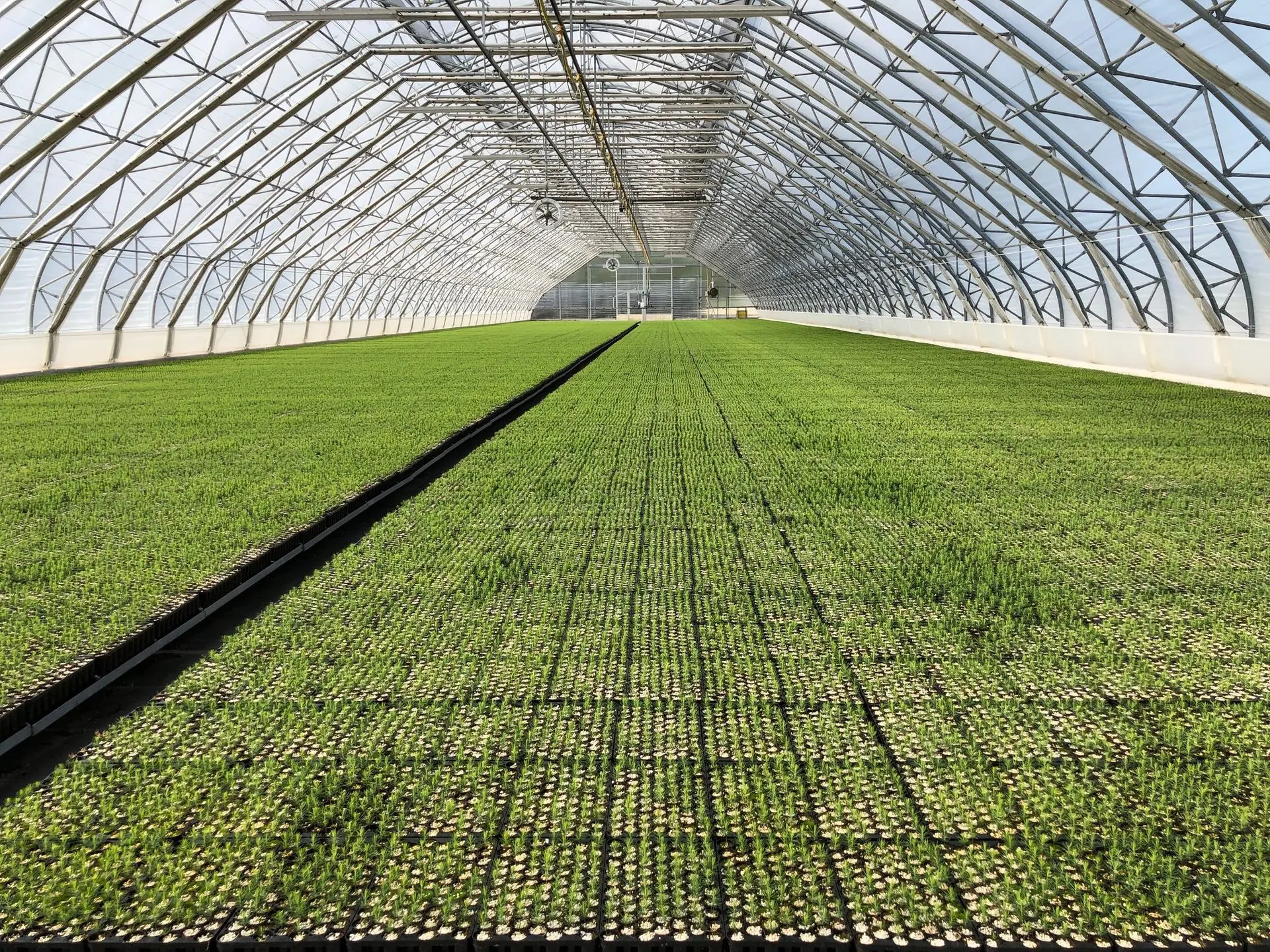
We shape the forests of the future
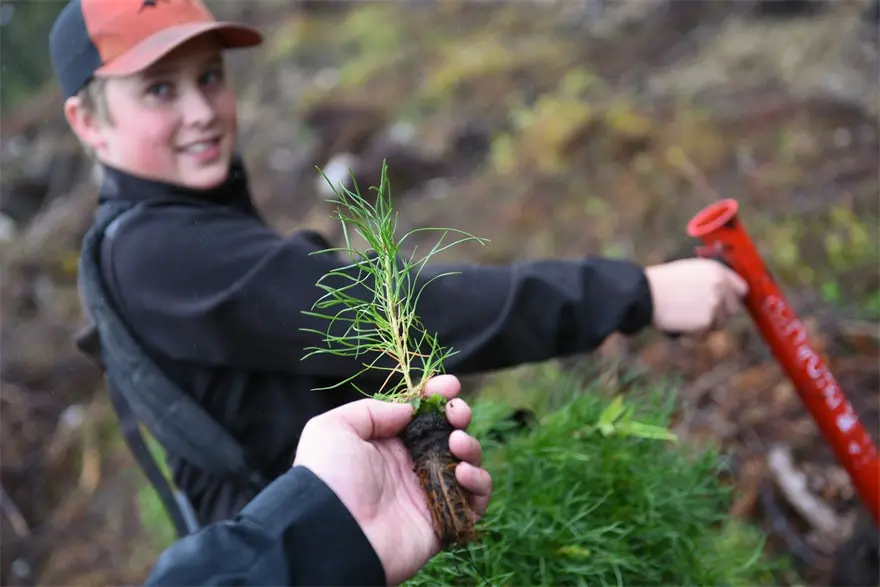
For every tree that is cut down, new ones are planted.
Seedlings are chosen based on the tree species that has the best conditions to develop in that planting site (site conditions).
5-10 years after planting, it is time to start shaping the stand. Various legal requirements and certifications demand that the young forest is shaped with a variation of at least 10% broadleaf trees. Here, the forestry workers have the option to adjust and leave the right tree species in the right place based on how the area looks.
Some deciduous trees cannot be completely cleared, such as rowan, aspen, willow, and oak. Where possible, efforts are made to thin them out so that they become tree-forming.
Strategic location for wood manufacturing
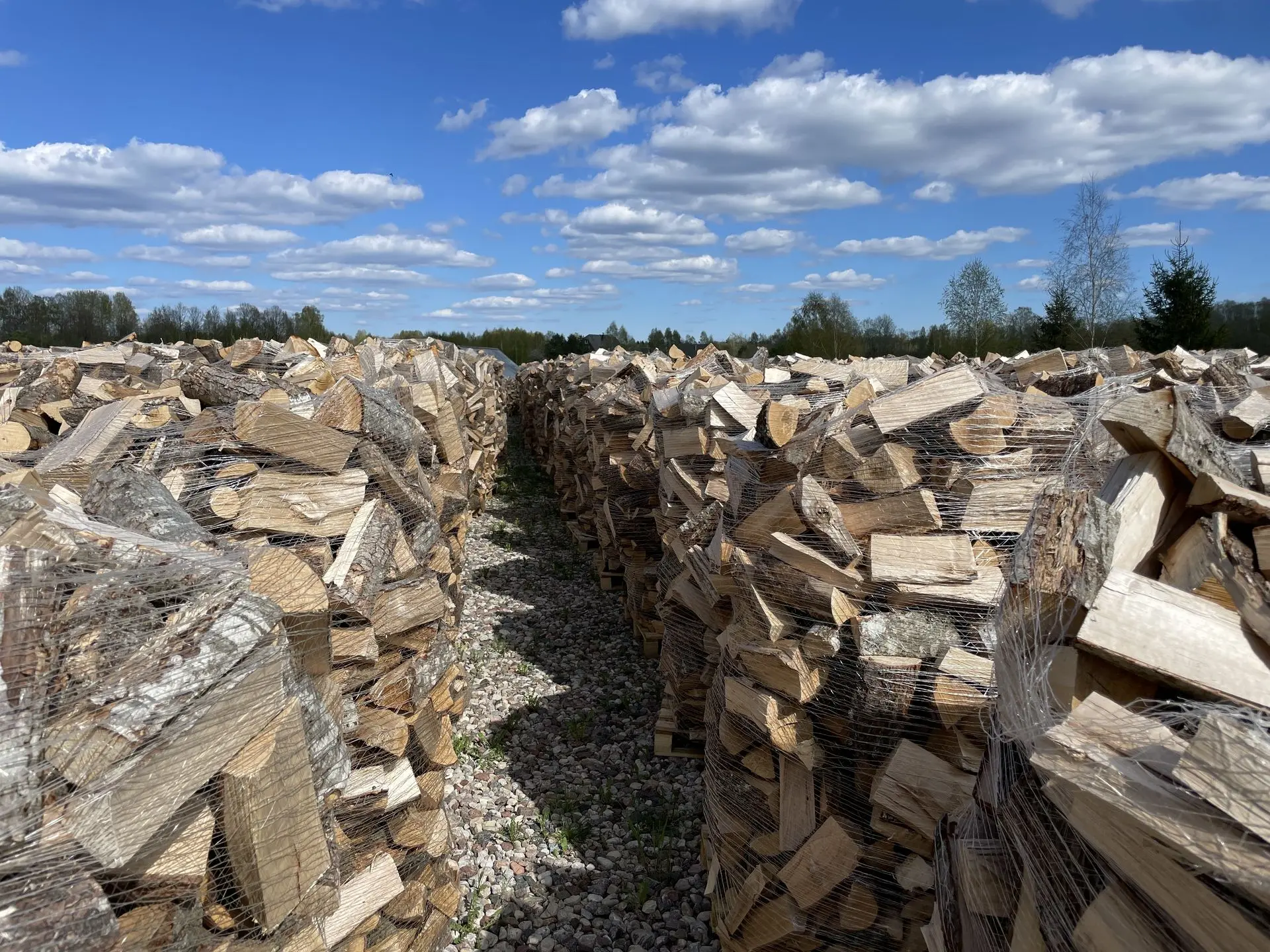
Abundant access to deciduous forests, the raw material is found in the local area. Fantastic climate for drying wood outdoors. The factory has large open spaces and is constantly ventilated. Not least because it is surrounded by large open fields. The factory is also within reasonable distance to ports and railways for further transportation of the wood.
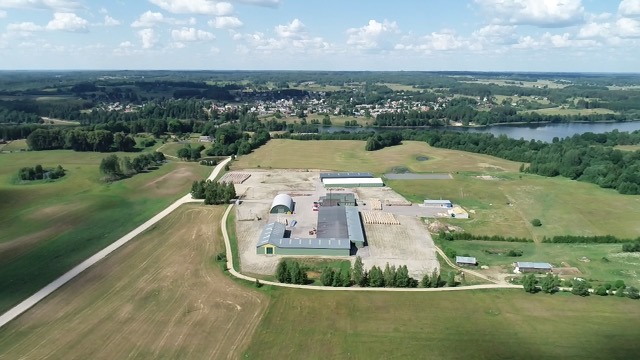
The wood is charged with the sun's energy
It is not only when the tree is growing that the sun's energy is important for photosynthesis. We use the sun's heat and the wind to dry the wood. When we process and cut the wood, we use solar power from our solar panel system.
Biofuels (residues) from our wood production are also used to heat our timber dryer. This enables us to dry a certain volume of firewood even during the winter.
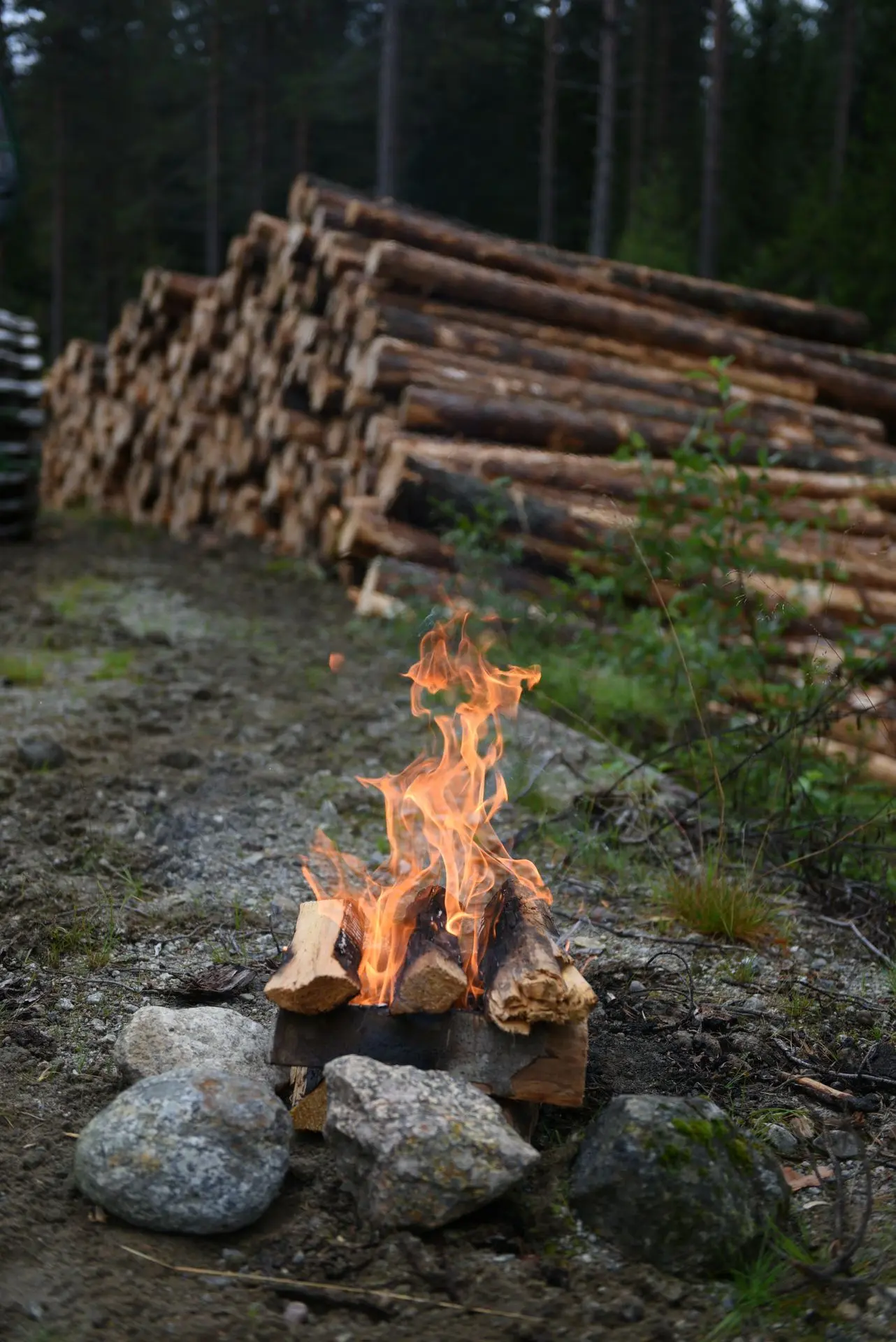
The final firewood that we sell is like a natural battery maxed out with energy, ready to heat the cabin or cook on.